
Methane Gas Is Worse Than COAL – Blog Post

Gas has long worn the badge of “cleaner” fuel compared to coal. But that claim falls apart once methane leaks enter the picture. Methane, the main component of gas, traps heat in the atmosphere much more than carbon dioxide over the critical next 20 years. If you’re thinking about your home’s impact on climate change, it’s time to rethink gas and explore smarter options that make a real difference. Check out this article for more insights.
The Methane Myth: What You Need to Know
Gas vs. Coal: The Real Story
Most people think gas is the cleaner choice over coal. The truth? Not so simple. Gas is mainly methane, which has a warming potential about 84 times stronger than carbon dioxide over a 20-year window. This period is crucial for curbing climate change. When you burn gas, it may seem cleaner, but consider the leaks during its lifecycle. A study highlighted by The Guardian indicates that liquefied natural gas can sometimes be as bad as coal, depending on leakage rates. When you factor in these emissions, coal and gas start looking uncomfortably similar in their climate impacts.
Fugitive Emissions: A Hidden Threat
Methane doesn’t just burn neatly in your stove. It leaks during extraction, processing, and transport, known as fugitive emissions. The problem is, methane emissions might be underreported.
“REVELATIONS the Santos-owned Darwin LNG gas export hub has been secretly leaking gas for nearly two decades present compelling evidence that polluting gas companies cannot be trusted to regulate their own climate pollution, according to the Climate Council.” https://www.climatecouncil.org.au/resources/polluting-gas-companies-held-accountable-climate-pollution/
Even small leakage rates can have a big climate impact because of methane’s potency.
Methane’s Potent Impact on Climate Change
Methane is a heavyweight in the climate change ring, despite its short lifespan. It traps heat efficiently, making it a potent greenhouse gas. According to the CSIRO, methane overpowers carbon dioxide during the 20-year crisis window. This is why tackling methane emissions can be a game-changer for climate action. The Climate Council underscores that cutting methane is one of the quickest ways to slow down climate warming.
Gas in Aussie Homes: More Than Just a Climate Issue
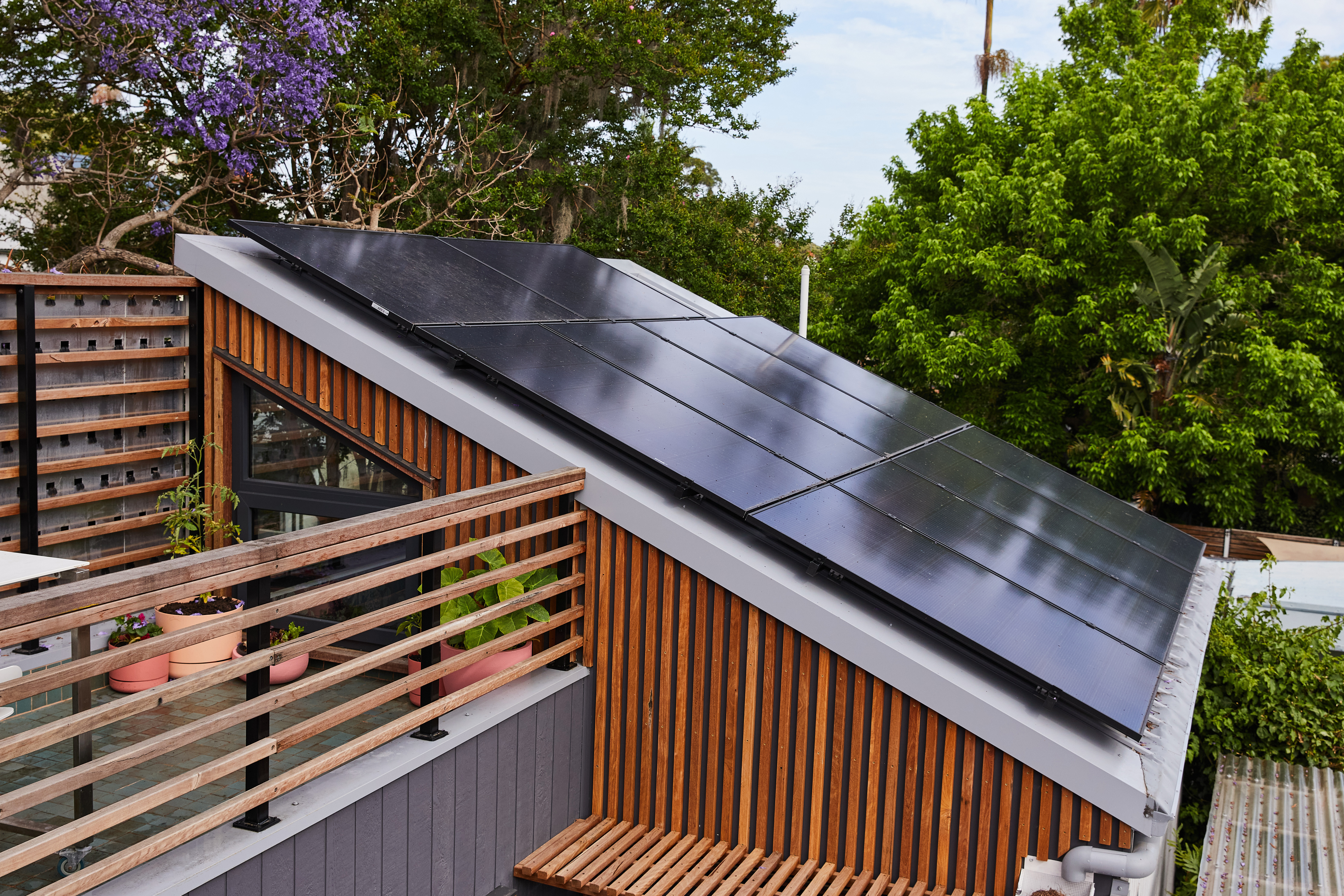
Beyond the climate, gas in homes poses other challenges. Let’s explore how this affects everyday life in Australia.
Indoor Air Quality And Health Risk Concerns
Ever cooked on a gas stove? You might be trading flavour for air quality. Gas cooktops release nitrogen dioxide and other pollutants indoors. The Asthma Australia notes that gas cooking is linked to higher indoor nitrogen dioxide levels, potentially leading to respiratory issues. In contrast, induction cooktops eliminate these combustion emissions, according to CHOICE. Switching to induction can make your home healthier while still being a top chef in the kitchen.
Making the Transition: Practical Steps for Greener Living
Ready to make your home a bit greener? Let’s look at how you can transition without breaking the bank.
Energy-Efficient Alternatives to Gas
You don’t have to overhaul your home to make an impact. Consider these alternatives:
-
Induction Cooktops: More efficient than gas and free of indoor combustion. Find more on this at CHOICE.
-
Heat Pump Hot Water Systems: Far more efficient than gas storage. Renew Economy provides insights on these systems as key players in home efficiency.
-
Reverse Cycle Air Conditioning: Efficient for both heating and cooling. Learn more from Energy.gov.au.
These options are not just better for the planet; they save you money in the long run.
Simple Home Improvements That Make a Difference
Small changes can lead to big savings. Start with:
-
Improving Insulation: Better insulation cuts down energy use. CSIRO’s YourHome Guide explains how sealing your home can reduce energy demand.
-
Draught Sealing: It’s a straightforward fix that pays off fast.
-
Smart Thermostats: Control your environment with fewer emissions.
These steps might seem small, but they add up. Each improvement reduces both your carbon footprint and your energy bills.
The Bottom Line
Calling gas “clean” ignores the methane problem. Methane is powerful in the short term, and Australia has documented fugitive emissions that add to the issue. Plus, gas appliances pollute indoor air. When you include all of that, the case for electrifying homes becomes much stronger. You don’t need to do it all at once, but every gas appliance replaced reduces both household risk and climate impact.
By making informed choices, you can make a real difference. Start small, be smart, and watch those changes make an impact.